Families in Cypress, Texas frequently reach a crossroads when an aging parent begins to need more assistance than the home can comfortably supply. In some cases the trigger is subtle, such as a fall in the kitchen or missed medications. Other times it is blunt and unnerving, like wandering after sunset or a car accident that need to not have happened. The Cypress area has grown rapidly, and with that development has actually come a robust mix of assisted living, memory care, and respite care options. Arranging through them takes more than a quick web search. It helps to understand how each model works, how expenses clean in Harris County, and which questions separate the good from the fit.
What assisted living appears like in Cypress
Assisted living in Cypress aims to fill a space that home care and nursing homes do not. Homeowners reside in personal or semi-private apartments and receive aid with activities of daily living, such as bathing, dressing, toileting, movement, and medication management. A well-run assisted living neighborhood feels social and active throughout the day, then calm and foreseeable at night. You will see a posted activity calendar near the lobby and, if you linger for 20 minutes, you will discover whether the calendar shows real engagement or just wallpaper.
In Cypress and the northwest Houston corridor, assisted living neighborhoods tend to cluster near Highway 290, the Grand Parkway, and around master-planned neighborhoods like Bridgeland and Towne Lake. Proximity to family matters, but so do traffic patterns. If adult kids operate in the Energy Corridor, a community near Barker Cypress or 290 can cut an hour of round-trip time for visits.
Expect base month-to-month rates for assisted living to range from about $3,200 to $5,000 for a studio or one-bedroom, with care levels including $300 to $1,500 depending upon requirements. Rates frequently begins deceptively low, then climbs up as care requirements increase. Request for a copy of the care evaluation tool, not just a spoken summary, and stroll through it line by line. A resident who needs assist with transfers two times daily will be billed differently from somebody who needs standby assistance in the shower only.
Dining programs differ commonly. A skilled chef, three everyday meals, and flexible seating prevail, yet the difference depends on execution. Drop in unannounced throughout lunch and request for a guest plate. See whether servers know locals by name and whether locals stick around after the meal or leave quickly. Human connection shows up most clearly at the table.
When memory care is the best fit
Memory care is a customized wing or stand-alone neighborhood concentrated on cognitive problems, usually Alzheimer's disease or other dementias. The most apparent difference is security: controlled entrances and exits, secured courtyards, and high-visibility style that reduces confusion. The more important differences are less visible, such as personnel training, pacing of the day, and care philosophy.
In Cypress, memory care suites frequently cost $5,000 to $7,500 regular monthly for a personal room, often more for larger spaces or high-acuity care. Pricing must include structured activities, cueing, and help with all personal care. If the base rate looks low, look for add-ons like incontinence products, exit-seeking supervision, or two-person transfer charges. Good neighborhoods are transparent and can show how their staffing ratios compare to Texas requirements and local norms. Ratios of one direct-care staff to 6 to 8 citizens during daytime, and one to 8 to ten overnight, prevail targets in quality programs, though specific ratios vary.
Look closely at the activity program. A strong memory care program builds a rhythm to the day: music treatment or movement in the early morning, tasks that engage the hands around midday, quieter sensory activities late afternoon, and relaxing regimens at sunset to counter sundowning. When visiting, ask how they personalize activities. Homeowners in early-stage dementia may still take pleasure in gardening or simple woodworking, while later-stage citizens might engage best with tactile products or familiar songs. Ask to see the life story kinds used for new citizens and how staff use them.
Wandering develops reasonable worry in families. The better groups focus not just on door alarms however on purposeful walking. A secure loop with clear visual anchors, memory boxes outside doors, and a yard with shade can turn agitated pacing into safe movement. Explore the outside area throughout a tour. Cypress heat is a factor the majority of the year, so shaded seating, misting fans, and short, safe paths make a difference.
The role of respite take care of families
Respite care offers a brief stay, normally 7 to one month, in an assisted living or memory care setting. Households utilize it to recuperate from caretaker burnout, bridge a medical facility discharge, or test whether a neighborhood feels right. In the Cypress market, respite rates may run $150 to $275 per day, inclusive of provided lodgings, meals, and care. Simplest to book throughout shoulder seasons, though availability shifts with occupancy.
An underappreciated advantage of respite care is the fact it reveals. People act differently around family than they do around neutral staff. After a week, caregivers can see how a resident reacts to cueing, whether circles of friendships form, and how sleep patterns change in a structured environment. If the concept of an irreversible relocation feels heavy, respite provides a low-commitment course to clarity.
How to veterinarian quality beyond the brochure
Touring neighborhoods yields shiny folders and warm smiles. The task is to look previous them. Throughout my years supporting families through transitions, a couple of indicators consistently predicted the lived experience.
- Ask caregivers, not simply administrators, about their training and tenure. If the majority of have actually existed less than 6 months, turnover might be high. Frontline personnel create the everyday experience, not the executive director's pep talk. Visit two times at different times. Late afternoon reveals staffing patterns, energy levels, and how the team handles sundowning. Early morning tours can mask night gaps. Read the state study history. Texas Health and Human Services posts assessment findings for assisted living and memory care. A few shortages are typical, but frequent medication mistakes or life-safety issues are red flags. Stand quietly in a corridor for ten minutes. Listen to how personnel talk with citizens. Tone matters. So does rate. Are call lights silenced and disregarded or answered without delay and kindly? Check medication management. Ask who fills coordinators, how refills are tracked, and how after-hours stat orders are managed. In the northwest Houston area, drug store partnerships differ. Trustworthy shipment and confirmation reduce risk.
Those 5 checks will tell you more than any staged activity ever will.
Costs, agreements, and how to avoid surprises
Assisted living and memory care in Cypress normally operate on month-to-month arrangements after a preliminary neighborhood cost. Community charges typically range from $2,000 to $5,000, periodically credited back if the stay lasts beyond a set term. Check out the arrangement for 30-day move-out requirements and proration guidelines. Texas does not need long-term dedications for these settings, so if a neighborhood presses a long prepayment, ask why.
Care levels drive costs. A lot of neighborhoods use a tiered system based upon a nurse assessment. The very same medical diagnosis does not equivalent the exact same expense. For example, 2 homeowners with Parkinson's disease might differ widely in transfer requirements. A resident who requires occasional cueing can remain in a lower tier, while another who requires two-person help moves to a higher one. If you anticipate development, ask how typically re-assessments take place and whether rates can increase outside the regular schedule.
Insurance protection is nuanced. Medicare does not pay room and board in assisted living or memory care. It does cover medically required services, like physical treatment after a medical facility stay, normally delivered by an outside home health company. Long-term care insurance coverage can help, however policies differ on elimination periods and eligible services. Much easier claims happen when the neighborhood files assistance with a minimum of 2 activities of everyday living or cognitive impairment needing guidance. Ask the community to provide day-to-day care logs that match policy language.
For veterans, Aid and Presence through the VA can offset costs if eligibility is satisfied. Processing can take months, so plan capital with a buffer. Some families bridge expenses with short-term loans while awaiting advantages to start.
The Cypress landscape: what to anticipate from regional senior living
Cypress draws families for its areas, schools, and access to Houston. That matters when selecting senior living due to the fact that visitation patterns and medical support influence results. Hospitals and specialized clinics near 290 are robust, with multiple options within a 20 to thirty minutes drive, consisting of memory centers in the more comprehensive Houston location. Transportation coordination should be part of the neighborhood's service model. If a neighborhood relies entirely on family for all transportations, element that into feasibility.
Dining culture in this location tilts Texan. Anticipate menus with grilled proteins, seasonal vegetables, and comfort meals. The very best programs balance salt and sugar without turning meals dull. For residents with diabetes, watch carbohydrate counts and the timing of insulin administration relative to meals. Decorative menus impress, however constant portioning and accurate med pass timing secure health.
Hurricane season is a truth. During visiting, inquire about emergency power, generator capability, and shelter-in-place vs. evacuation strategies. Neighborhoods need to have written protocols and an annual drill. If a memory care system shares a building with independent living, validate that security stays intact throughout power outages.
When staying at home is still on the table
Not every family requires to move right now. Cypress has a healthy environment of home health, private-duty caretakers, and adult day programs, though the latter may need a drive towards Houston for more alternatives. If staying at home, a couple of upgrades can purchase time and security: motion-sensor lighting, get bars, a raised toilet, and a medication dispenser with lock and alarm. For memory care needs, door chiming and a simple, dignified ID bracelet matter more than expensive gadgets.
Adult day programs can slow cognitive decline by offering social structure without the permanence of a relocation. Some assisted living communities use daytime-only stays or club-style programs for early amnesia. It is worth asking, even if not advertised.
Families in some cases attempt to bridge spaces with rotating relatives providing care. That can work short term, particularly after a hospitalization, but it tends to fray within weeks. Sleep deprivation, physical pressure during transfers, and continuous caution around medications develop threat that stacks rapidly. Respite care is often the better pressure valve.
How to match a community to a person, not a diagnosis
Two residents with the same medical chart can have completely various needs. The art lies in matching personality and everyday rhythm to the community culture. Some neighborhoods run lively, with strong calendars and regular outings. Others feel quieter, with smaller communal areas and a concentrate on one-to-one engagement. Neither is widely better.
If your moms and dad grows on routine and dislikes noise, look for smaller sized dining-room or neighborhoods within the building. If they are social and curious, pick a location assisted living with an active volunteer program, intergenerational visits, and real journeys outside the structure. In memory care, a resident who liked gardening will likely react to a yard with planter boxes more than to a big theater room.
Room layout matters more than newness of surfaces. In assisted living, a kitchenette with a full-size fridge can assist a resident keep treats and maintain small routines. In memory care, simpler is safer. Clear sightlines from bed to restroom lower nighttime confusion. Look for contrasting color on toilet seats and get bars, and lever door deals with instead of knobs.
Staffing realities and what they imply day to day
Staffing determines quality more than any feature. In the Cypress market, hiring and keeping caregivers has been challenging at times, as it has nationally. Communities that purchase training and respect keep people longer. Watch how the group engages when a call light beeps. If personnel walk quickly without panic, communicate briefly and plainly, and if a second team member appears when required without being asked, you are seeing a well-led floor.
Ask particularly about:
- Medication administration credentials. In Texas, medication aides need training and oversight by a licensed nurse. Validate nurse presence hours and on-call protocols. Night shift protection. Lots of issues happen in between 10 pm and 6 am: falls, sundowning, and toileting requirements. Ask how many caretakers are on each hall overnight. Agency use. Periodic use is typical, but regular dependence can fragment care. High company use signals turnover or poor scheduling. Training cadence. Beyond orientation, good programs hold monthly in-services on topics like dementia interaction, safe transfers, and infection control.
These functional details associate strongly with resident security and satisfaction.
How households can stay connected and in control
Choosing a neighborhood does not end family involvement. The best outcomes occur when households stay present, ask good questions, and cultivate trust with the care team. Request a standing care conference every 60 to 90 days. Bring notes about changes you are seeing, like hunger shifts or new agitation in late afternoon. Ask the nurse to evaluate important indications, weights, and skin checks. If the neighborhood uses an electronic care platform, ask for access to the family portal.
Small gestures help the relationship. Learning a few caregivers' names, thanking them for specific efforts, and flagging concerns early promotes a collaborative tone. When something fails, address it without delay with facts and a clear ask. For example, "Mom's blood sugar level was 220 two mornings in a row after breakfast. Can we change the timing of her insulin, and can you log pre-breakfast and 2-hour postprandial readings for the next three days?"
For memory care homeowners, bring identified, easy-to-wear clothes and comfy footwear with traction. Leave irreplaceable precious jewelry at home. A memory box outside the door with photos and mementos assists personnel anchor conversations and can relieve wayfinding for the resident.
Red flags that call for a 2nd look
Even in a strong market like Cypress, not every choice will fit, and some must be avoided. Look for duplicated falls without a change in care strategy, medication mistakes excused as one-off mistakes, or defensive reactions to affordable concerns. If you hear "We are short-staffed" used as a blanket explanation rather than a prompt to problem-solve, continue carefully.
Observe resident affect. A community loaded with blank stares during the middle of the day suggests under-stimulation or over-sedation. Conversely, consistent sound with no quiet spaces can overwhelm residents with cognitive problems. Cleanliness speaks too. Occasional odors occur, however relentless gives off urine in hallways hint at spaces in care or housekeeping.
Planning the transition and very first 2 weeks
Moves go much better with purposeful pacing. If possible, complete the nurse assessment a week before move-in so the care strategy and supplies are prepared. Pack realistically, not minimally. Citizens often use familiar clothing and use preferred blankets or pillows for convenience. Bring a current medication list and the most recent doctor notes.
The initially two weeks set patterns. Visit at diverse times to see care in action, but resist the desire to hover all day. Let the resident take part in activities and establish relationships. Go with them to the first few meals, then enable personnel to escort them and model the routine. In memory care, short, regular check outs lower disruption. A long, emotional goodbye at bedtime can trigger agitation.
If something feels off, raise it quickly and constructively. Teams choose early feedback to festering aggravation. Request a quick check-in at the end of week one to review how the care plan is working and to tweak as needed.
A realistic path forward
Assisted living, memory care, and respite care in Cypress are not simply services. They are neighborhoods that can protect dignity, structure daily life, and minimize danger for older senior care adults and their households. The best fit weds care capabilities with character and habits. It also represents the practical truths of expense, location, and staffing.

When you tour, listen to the space: the way personnel greet residents by name, the laughter at a dominoes table, the quiet effectiveness when assistance is required. Read the documentation carefully, however trust your eyes and ears. Senior care decisions bring weight, yet clearness emerges when you combine mindful observation with direct questions. Households who do that typically discover an option that supports not just security, however a life that still feels like their loved one's own.
Business Name: BeeHive Homes Assisted Living
Address: 16220 West Rd, Houston, TX 77095
Phone: (832) 906-6460
BeeHive Homes Assisted Living
BeeHive Homes Assisted Living of Cypress offers assisted living and memory care services in a warm, comfortable, and residential setting. Our care philosophy focuses on personalized support, safety, dignity, and building meaningful connections for each resident. Welcoming new residents from the Cypress and surround Houston TX community.
16220 West Rd, Houston, TX 77095
Business Hours
Monday thru Sunday: 7:00am - 7:00pm
Facebook: https://www.facebook.com/BeeHiveHomesCypress
BeeHive Homes Assisted Living is an Assisted Living Facility
BeeHive Homes Assisted Living is an Assisted Living Home
BeeHive Homes Assisted Living is located in Cypress, Texas
BeeHive Homes Assisted Living is located Northwest Houston, Texas
BeeHive Homes Assisted Living offers Memory Care Services
BeeHive Homes Assisted Living offers Respite Care (short-term stays)
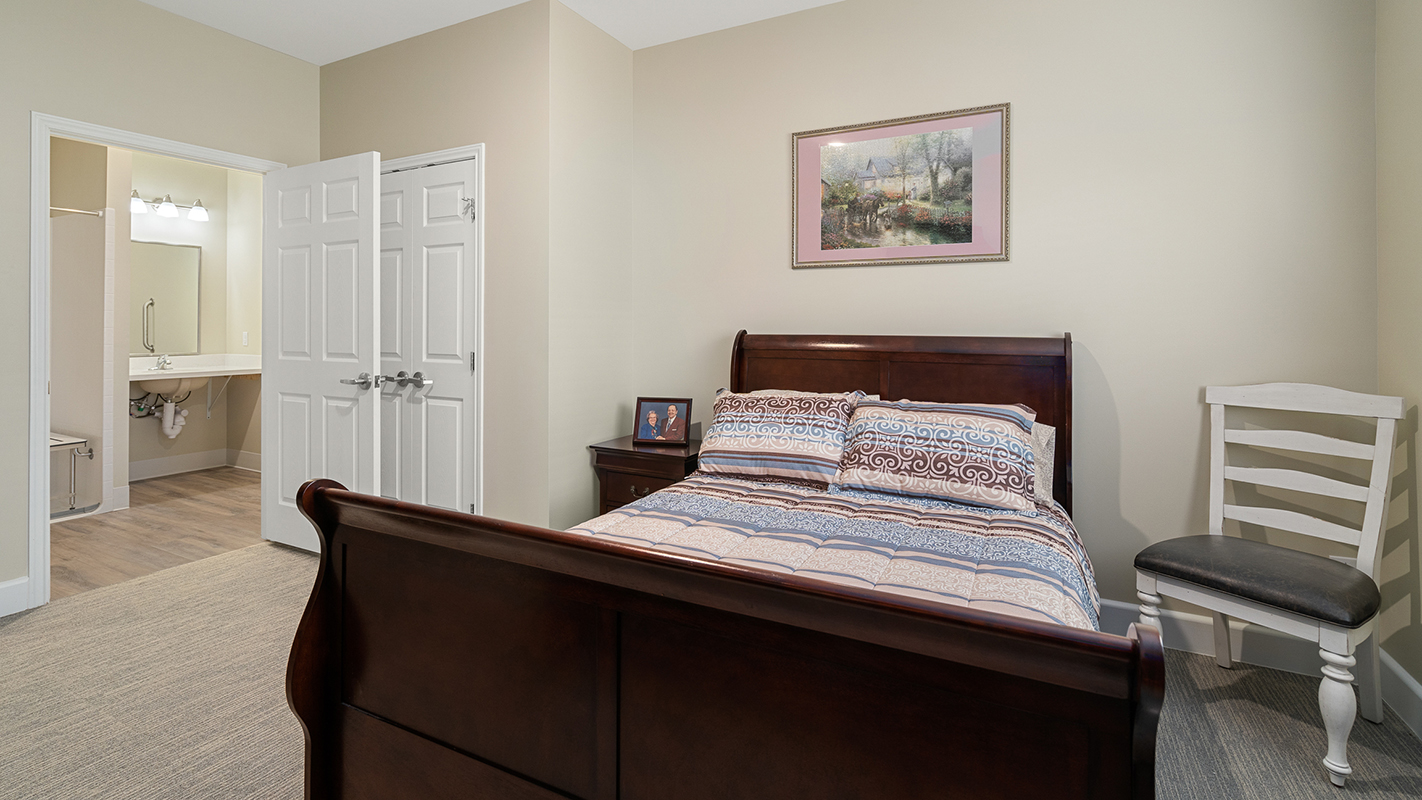
BeeHive Homes Assisted Living provides Private Bedrooms with Private Bathrooms for their senior residents
BeeHive Homes Assisted Living provides 24-Hour Staffing
BeeHive Homes Assisted Living serves Seniors needing Assistance with Activities of Daily Living
BeeHive Homes Assisted Living includes Home-Cooked Meals Dietitian-Approved
BeeHive Homes Assisted Living includes Daily Housekeeping & Laundry Services
BeeHive Homes Assisted Living features Private Garden and Green House
BeeHive Homes Assisted Living has a Hair/Nail Salon on-site
BeeHive Homes Assisted Living has a phone number of (832) 906-6460
BeeHive Homes Assisted Living has an address of 16220 West Road, Houston, TX 77095
BeeHive Homes Assisted Living has website https://beehivehomes.com/locations/cypress
BeeHive Homes Assisted Living has Google Maps listing https://maps.app.goo.gl/G6LUPpVYiH79GEtf8
BeeHive Homes Assisted Living has Facebook page https://www.facebook.com/BeeHiveHomesCypress
BeeHive Homes Assisted Living is part of the brand BeeHive Homes
BeeHive Homes Assisted Living focuses on Smaller, Home-Style Senior Residential Setting
BeeHive Homes Assisted Living has care philosophy of “The Next Best Place to Home”
BeeHive Homes Assisted Living has floorplan of 16 Private Bedrooms with ADA-Compliant Bathrooms
BeeHive Homes Assisted Living welcomes Families for Tours & Consultations
BeeHive Homes Assisted Living promotes Engaging Activities for Senior Residents
BeeHive Homes Assisted Living emphasizes Personalized Care Plans for each Resident
People Also Ask about BeeHive Homes Assisted Living
What services does BeeHive Homes of Cypress provide?
BeeHive Homes of Cypress provides a full range of assisted living and memory care services tailored to the needs of seniors. Residents receive help with daily activities such as bathing, dressing, grooming, medication management, and mobility support. The community also offers home-cooked meals, housekeeping, laundry services, and engaging daily activities designed to promote social interaction and cognitive stimulation. For individuals needing specialized support, the secure memory care environment provides additional safety and supervision.How is BeeHive Homes of Cypress different from larger assisted living facilities?
BeeHive Homes of Cypress stands out for its small-home model, offering a more intimate and personalized environment compared to larger assisted living facilities. With 16 residents, caregivers develop deeper relationships with each individual, leading to personalized attention and higher consistency of care. This residential setting feels more like a real home than a large institution, creating a warm, comfortable atmosphere that helps seniors feel safe, connected, and truly cared for.Does BeeHive Homes of Cypress offer private rooms?
Yes, BeeHive Homes of Cypress offers private bedrooms with private or ADA-accessible bathrooms for every resident. These rooms allow individuals to maintain dignity, independence, and personal comfort while still having 24-hour access to caregiver support. Private rooms help create a calmer environment, reduce stress for residents with memory challenges, and allow families to personalize the space with familiar belongings to create a “home-within-a-home” feeling.Where is BeeHive Homes Assisted Living located?
BeeHive Homes Assisted Living is conveniently located at 16220 West Road, Houston, TX 77095. You can easily find direction on Google Maps or visit their home during business hours, Monday through Sunday from 7am to 7pm.How can I contact BeeHive Assisted Living?
You can contact BeeHive Assisted Living by phone at: 832-906-6460, visit their website at https://beehivehomes.com/locations/cypress/,or connect on social media via Facebook
BeeHive Assisted Living is proud to be located in the greater Northwest Houston area, serving seniors in Cypress and all surrounding communities, including those living in Aberdeen Green, Copperfield Place, Copper Village, Copper Grove, Northglen, Satsuma, Mill Ridge North and other communities of Northwest Houston.